 © Quijotemancha · CC BY-SA 4.0
Wildlife · Doñana
© Quijotemancha · CC BY-SA 4.0Wildlife · Doñana
The Iberian lynx (Lynx pardinus) is Doñana's living emblem and one of the rarest cats in the world. After coming close to extinction at the start of this century, breeding and reintroduction programmes have brought the population back, though spotting one in the wild still comes down to patience, an early start and a little luck.
Autumn and winter are the most favourable months, especially during the mating season between January and February, when lynx move about more and are more likely to be seen by day. The best hours are always dawn and dusk, when the cat is active.
The heat of midday and of summer works against you: the lynx rest in the shade and are barely seen.
The lynx favours the mosaic of grassland and Mediterranean scrub where rabbits, its main prey, are plentiful. Around Doñana, areas such as Coto del Rey and the outlying zones hold the highest concentration of territories; the species' other great stronghold is in the Sierra de Andújar, in Jaén.
Within the Park, guided 4x4 tours cross the lynx's roaming grounds, which clearly improves your chances compared with searching on your own.
Seeing a lynx is a privilege that demands respect: stay on the tracks, keep quiet, use binoculars and a telephoto lens, and never bait, chase or disturb the animal.
Specialist guides know the territories, the Park's rules and the safe distances, and they are the most ethical and effective option.
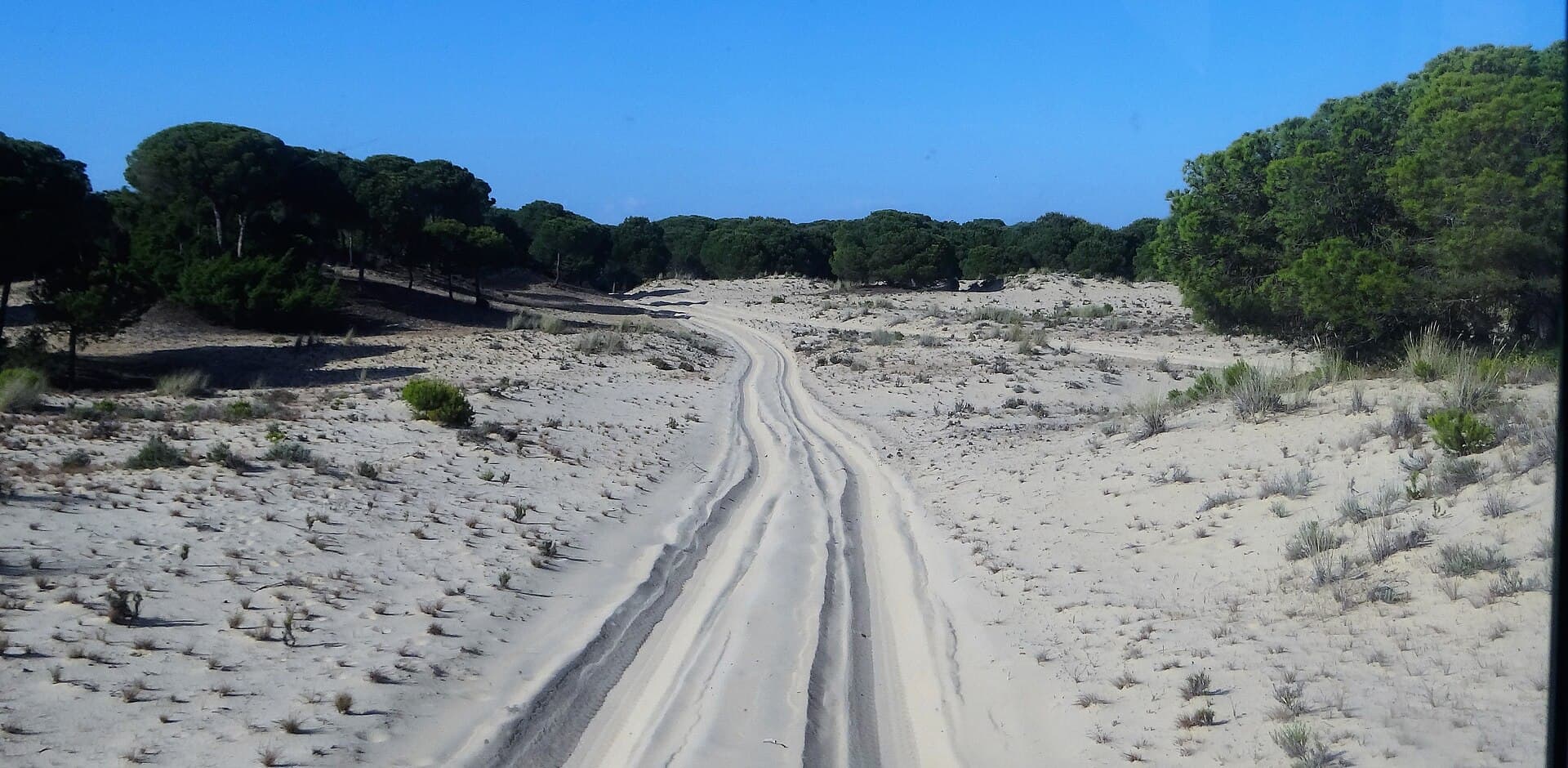
The heart of the National Park —dunes, unspoilt beach and deep marshes— can only be visited in authorised vehicles run by licensed operators. It is the best way to reach the areas where the lynx and the great gatherings of birds appear.
Frequently asked questions
No. It is a scarce, elusive animal with crepuscular habits. A specialist tour in the best season greatly improves the odds, but a sighting can never be guaranteed.
Yes. Thanks to captive breeding and reintroduction programmes, the Andalusian population has grown from fewer than a hundred individuals at the start of the century to several hundred today.
You can try from public tracks in the surrounding area, but the best options are guided 4x4 tours into the interior of the Park and nature photography tours.