Senderos del Rocío
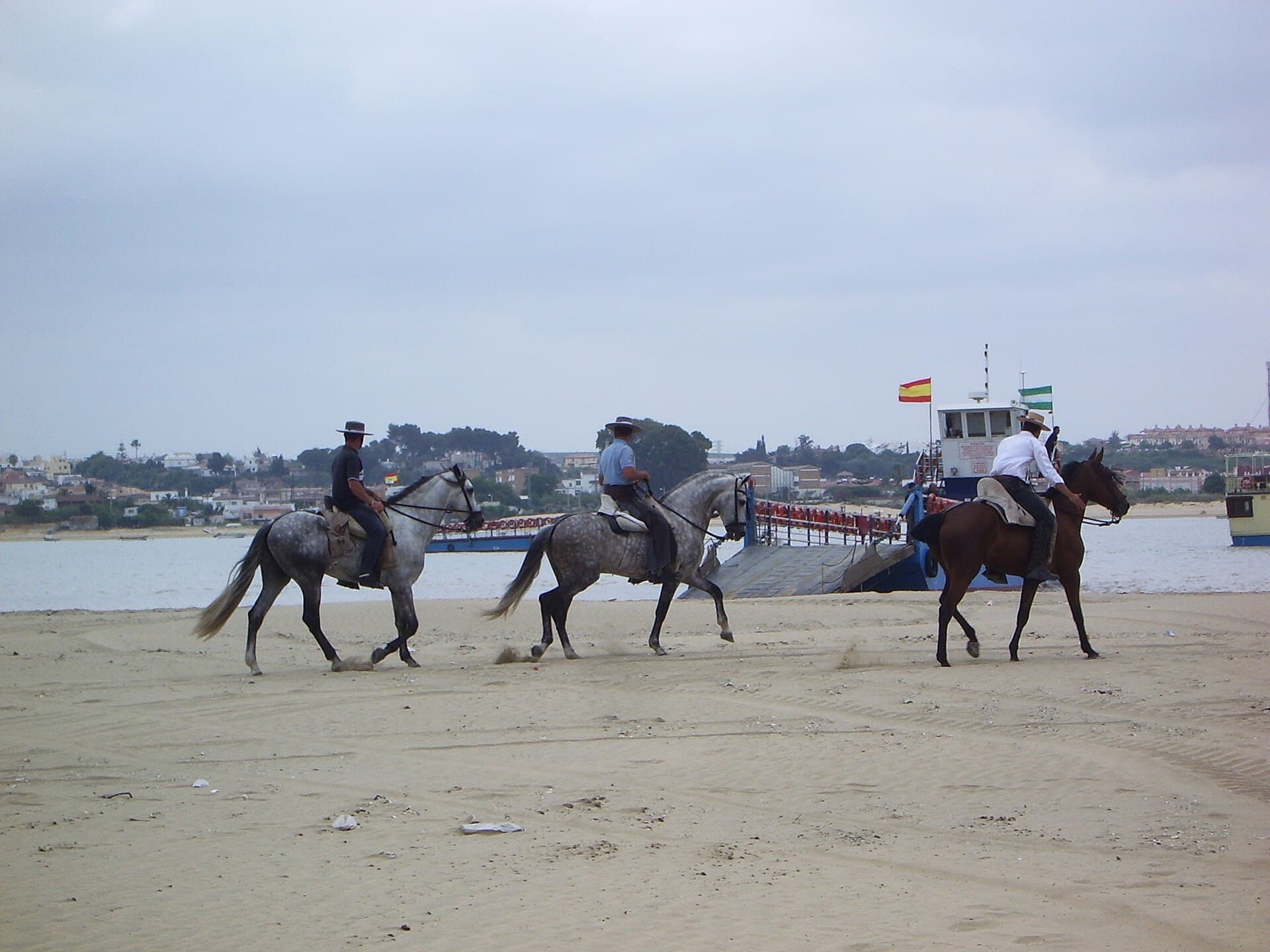
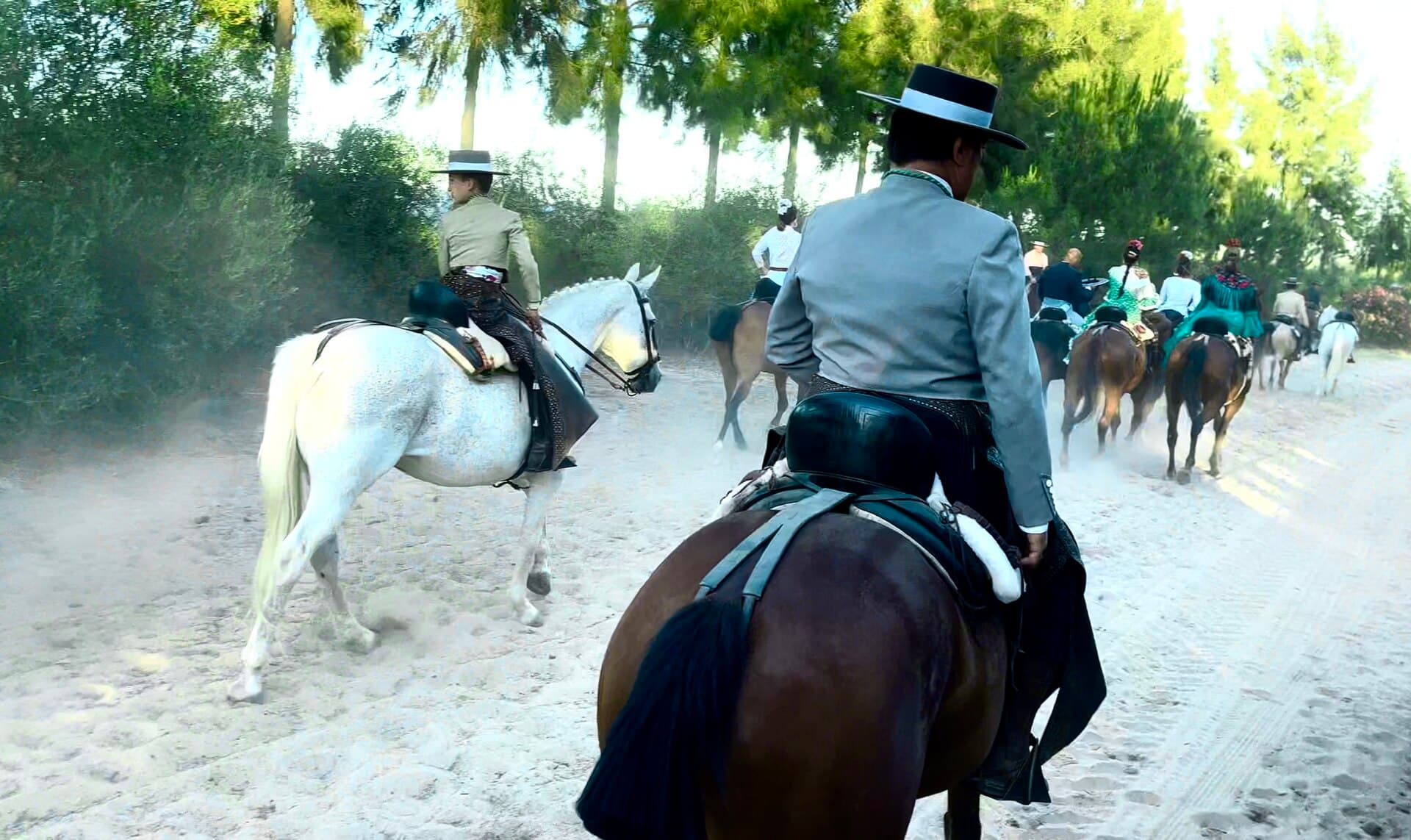
Romeros a caballo camino de El Rocío
© Redrain · CC BY-SA 4.0

Andalusia · Doñana · Pentecost

The ways that lead to El Rocío

The guide to the historic routes of the pilgrimage: their stages, their landmarks and everything you need to walk to the Blanca Paloma.

Also year-round hiking through Doñana

Discover the five ways
Next pilgrimageMay 16, 2027Jubilee YearPlan your camino

The pilgrimage

A pilgrimage of earth, lime and light

Every spring, around Pentecost, hundreds of thousands of people walk towards the village of El Rocío, in Almonte (Huelva), to venerate the Virgin of El Rocío, the Blanca Paloma. They travel on foot, on horseback and by wagon, led by the Simpecado of each brotherhood.

They do so along centuries-old ways that cross the heart of Doñana: sands, marshes and pine woods where fervour mingles with sevillanas, fellowship and respect for one of Europe's most valuable natural areas.

Discover the history of El Rocío
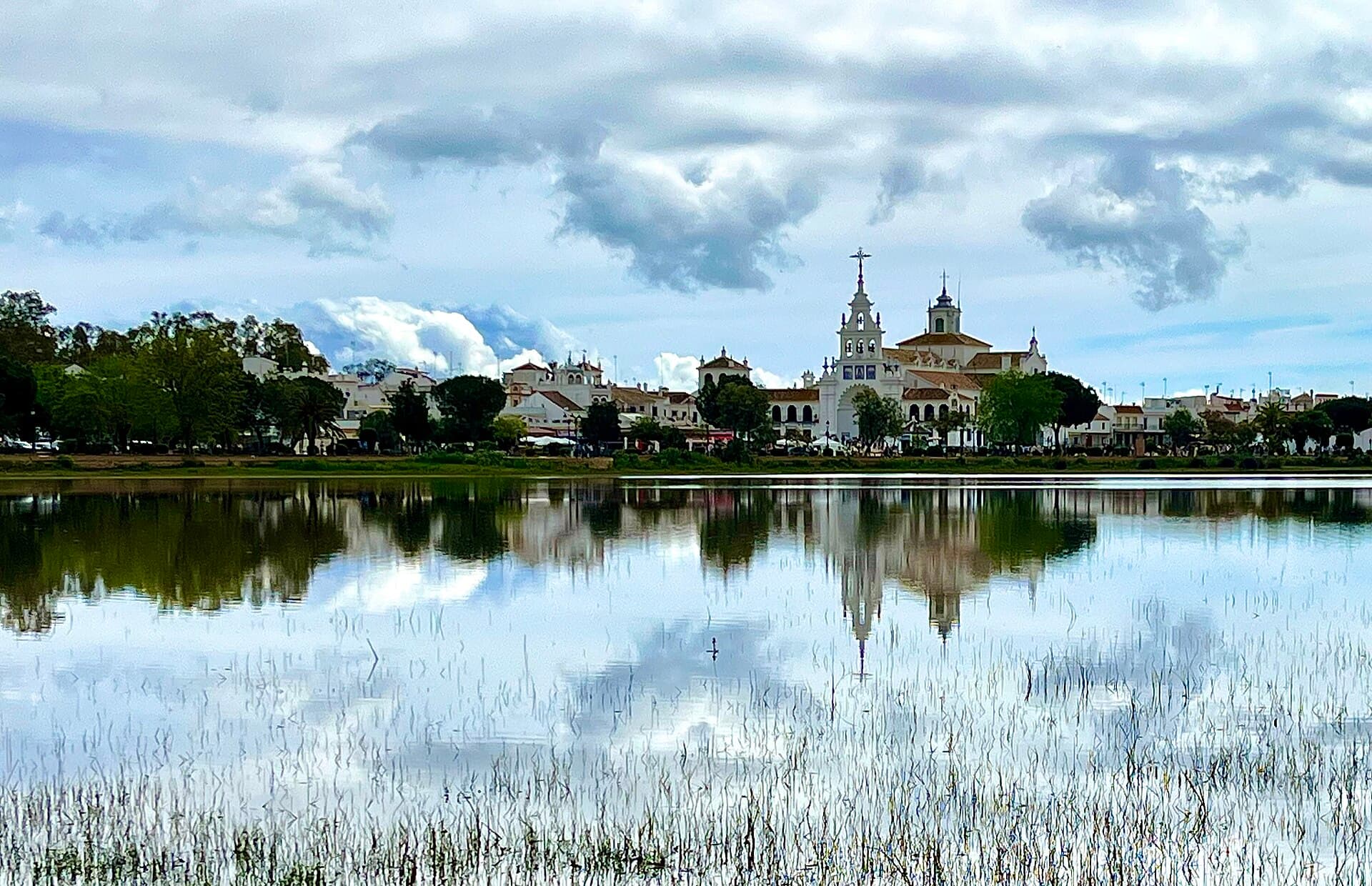
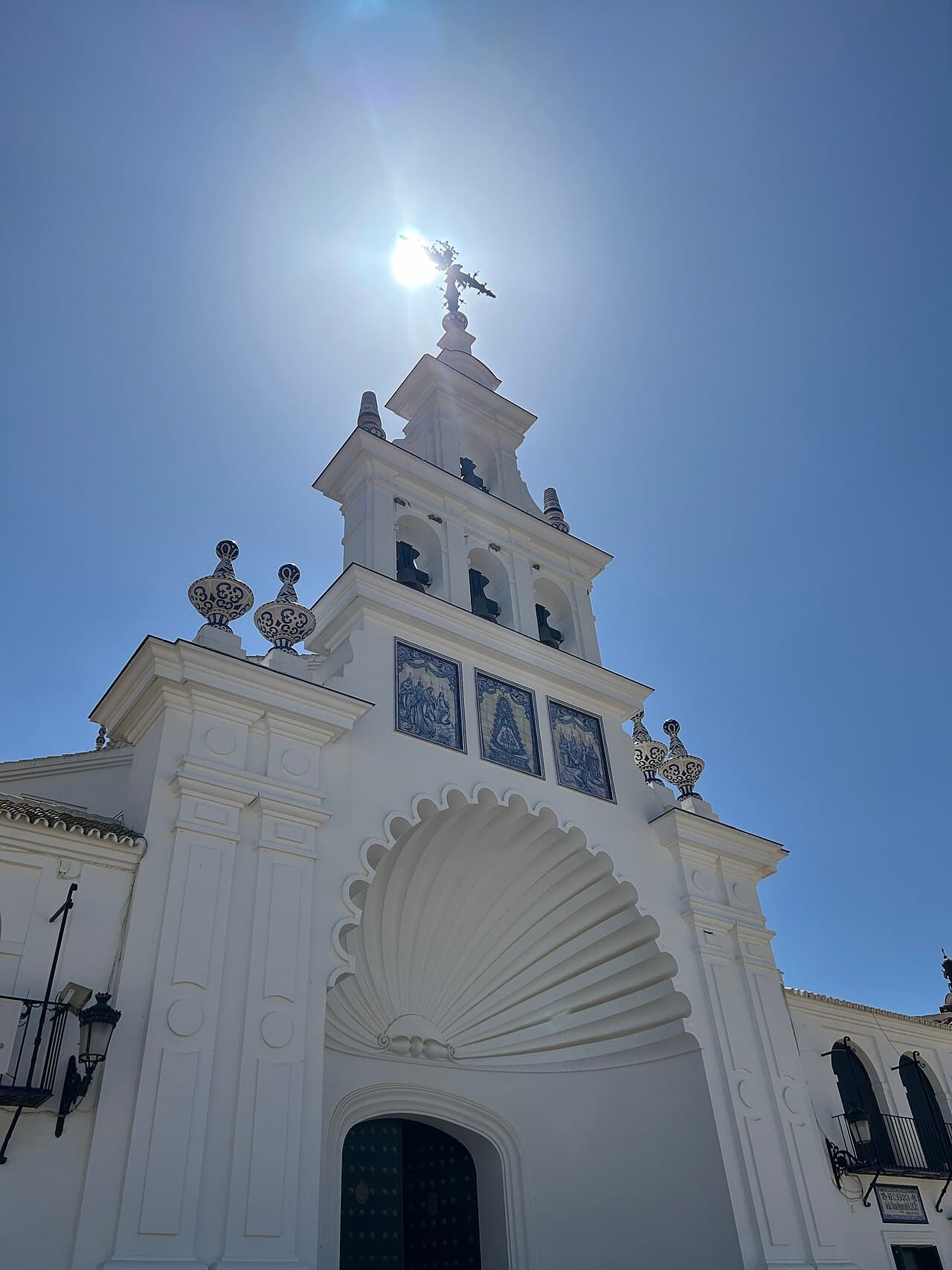
Santuario de la Virgen del Rocío© Blablabalooo · CC BY-SA 4.0

The routes

The five ways

Each brotherhood chooses its route. These are the five families of historic ways that converge on the village.

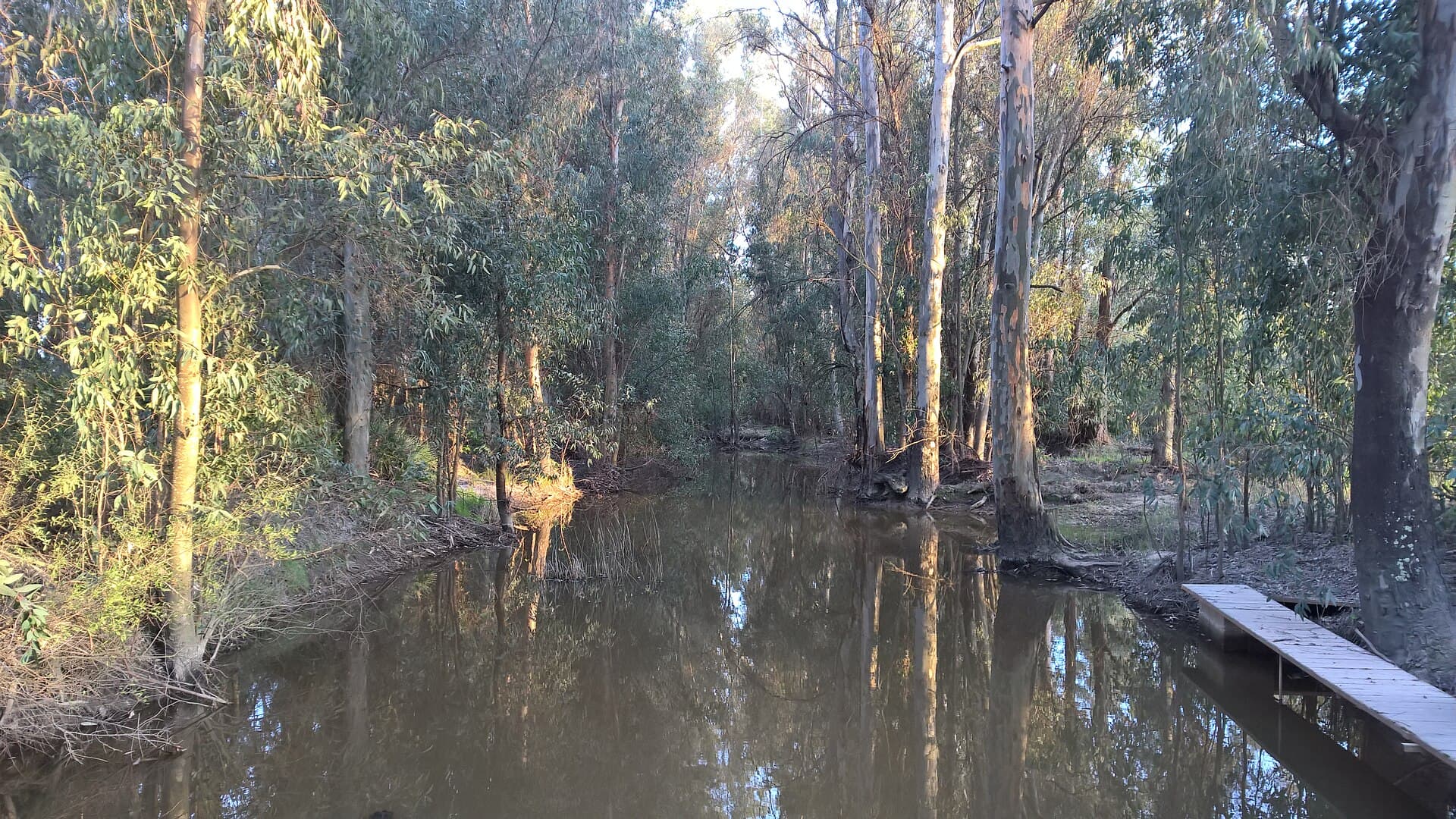
Bosque de ribera del arroyo de La Rocina, en Doñana© Aaroncm95 · CC BY-SA 3.0 ES

Year-round

Trails and nature, twelve months a year

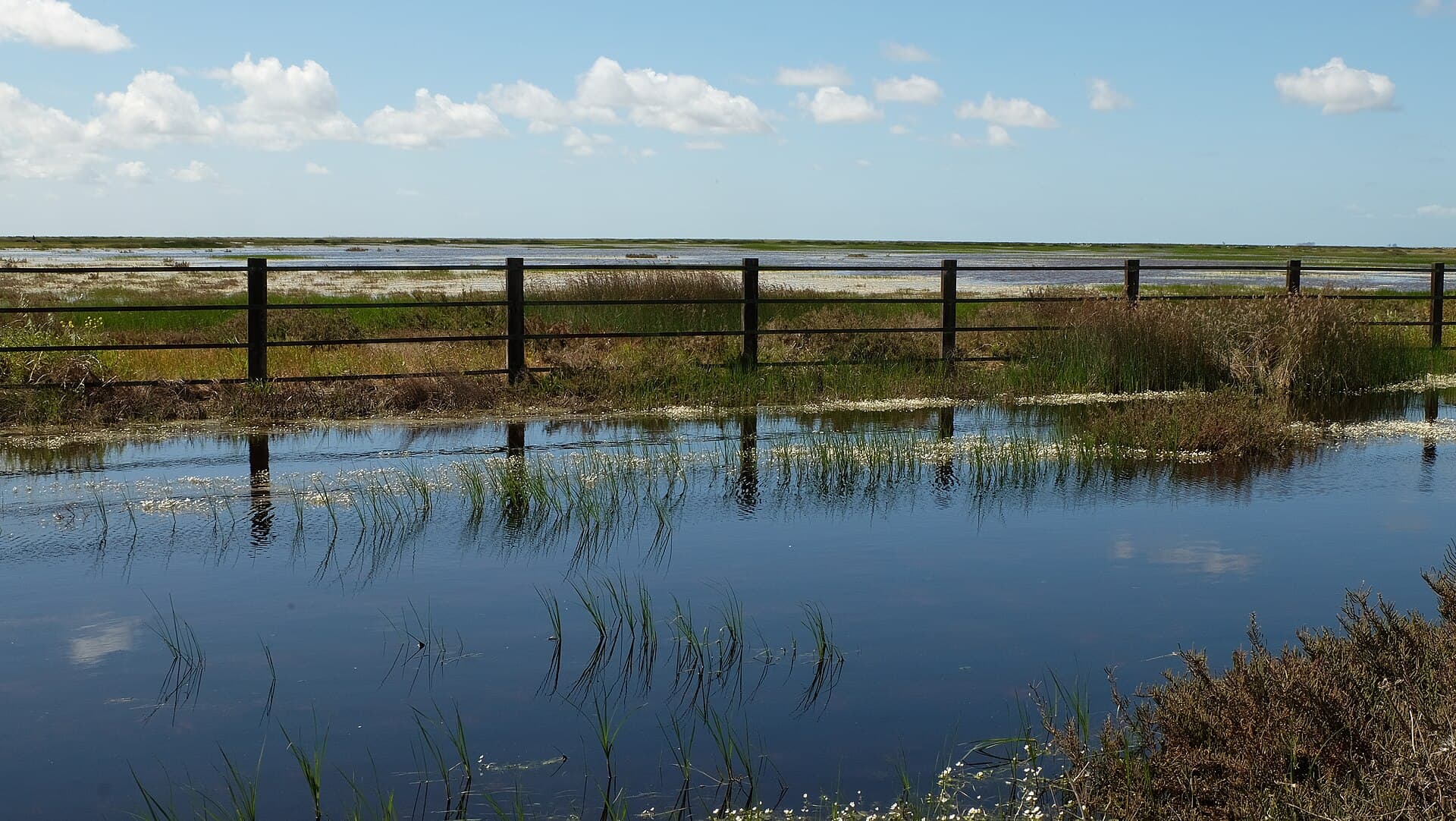
Outside the pilgrimage, the open paths and the trails of La Rocina and El Acebrón can be walked or cycled through the heart of Doñana: marshes, pine woods, birds and, with luck, the Iberian lynx. The best time runs from October to May.

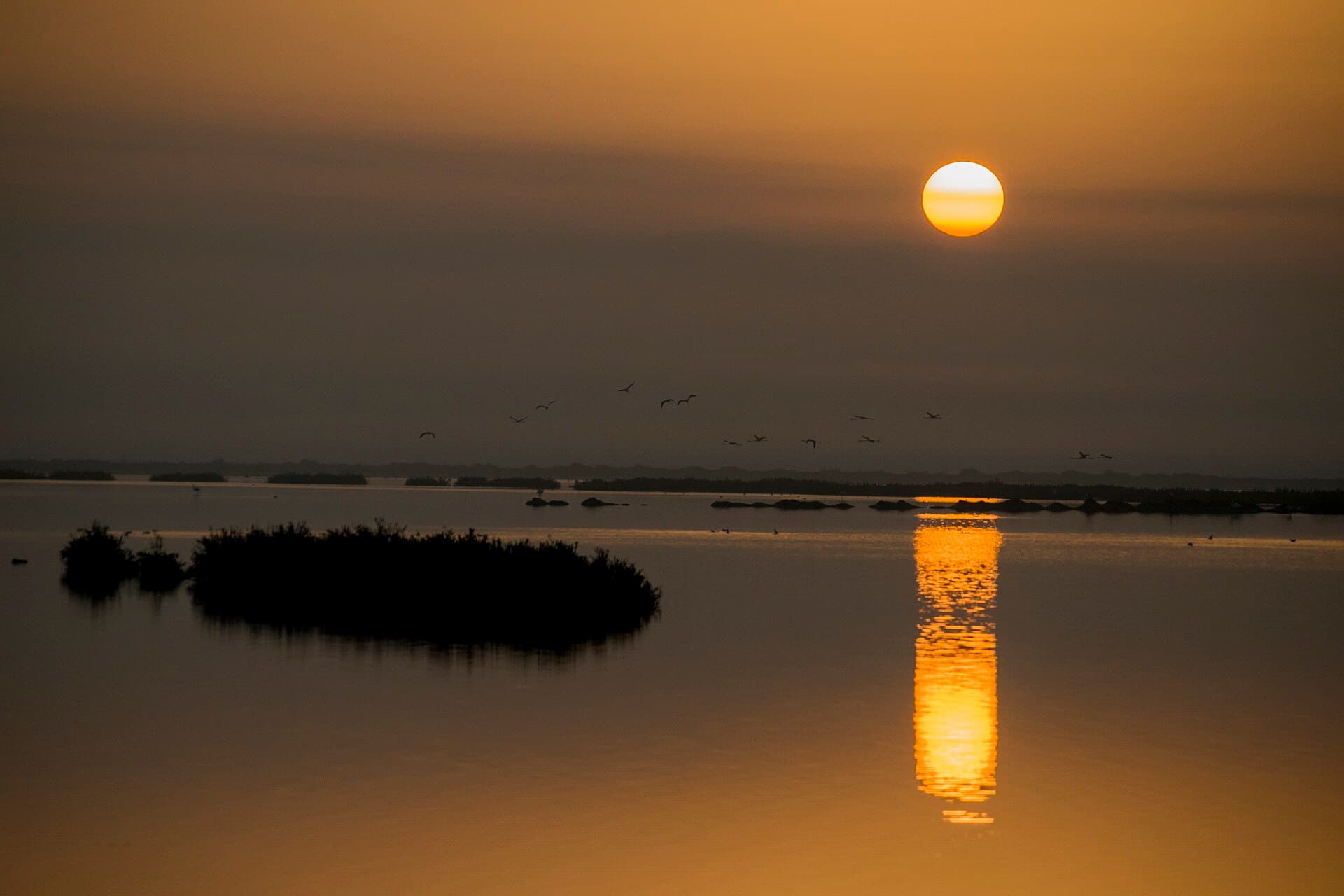
Marismas de Doñana
© Birding In Spain · CC BY-SA 4.0

The setting

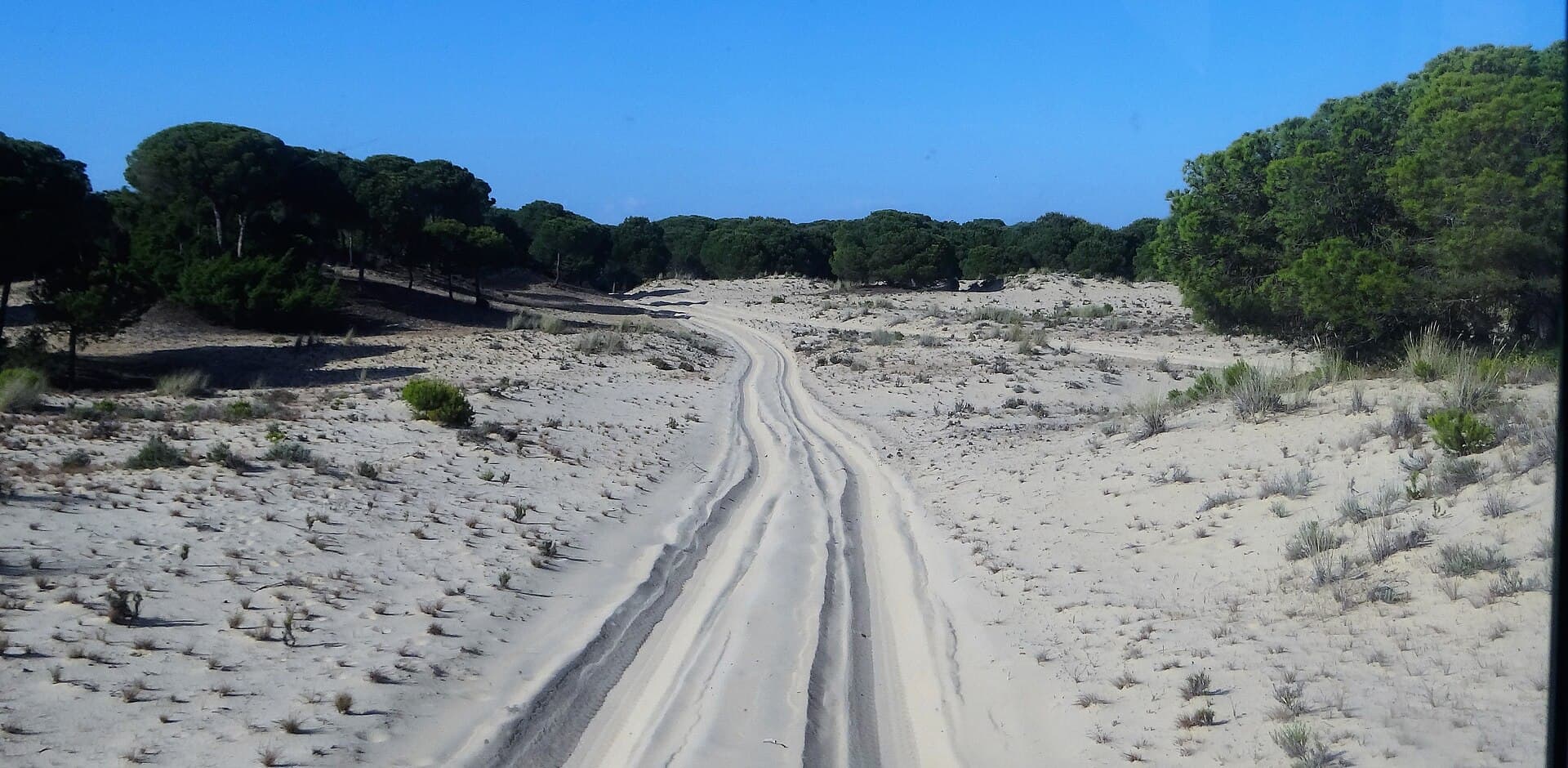
«From Bajo de Guía to La Canaliega there is no contact with asphalt or any town: only the marsh, the pine wood and the murmur of the road.»

Much of the ways cross the Doñana National Park, a Biosphere Reserve and World Heritage Site. Walking through it demands respect: keep to the paths, leave no trace and protect the flora and fauna.