 © Birding In Spain · CC BY-SA 4.0
Birds · Doñana
© Birding In Spain · CC BY-SA 4.0Birds · Doñana
Doñana is one of the most important wetlands in Europe and a crossroads for millions of migratory birds travelling between the north of the continent and Africa. Every season completely changes the cast, which is why it is a birdwatching destination for much of the year.
The marshes bring together flamingos, herons, spoonbills, storks, ducks and waders; in winter huge flocks of greylag goose arrive. Among the jewels of Doñana's skies are the Spanish imperial eagle and the marsh harrier.
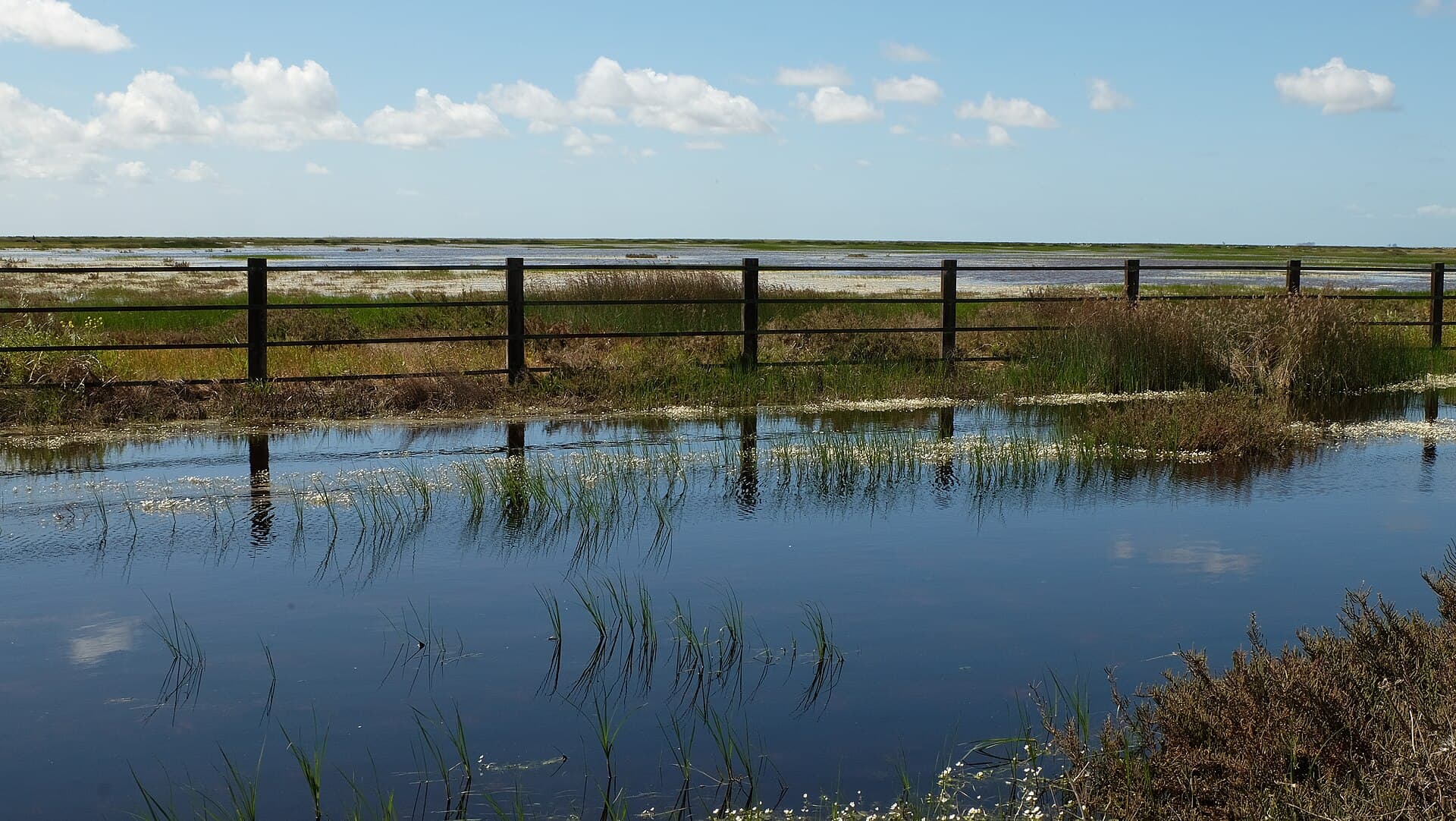
Marshes, lagoons and pinewoods offer different habitats, so each area rewards you with different species.
Winter draws great numbers of geese and ducks onto the flooded marshes. Spring brings the breeding season and the migratory passage, with the marshes at their finest. Summer, with the marshes dry, is the poorest time.
All in all, the best season for birds runs from October to May.
The hides at La Rocina (Charco de la Boca) and El Acebuche are an excellent free starting point. But the viewpoint par excellence is the Centro José Antonio Valverde, deep in the northern marshes, with birds just a few metres from its windows.
Bring binoculars or, better still, a telescope; and if you want to reach the best areas, a guided tour makes all the difference.
The heart of the National Park —dunes, unspoilt beach and deep marshes— can only be visited in authorised vehicles run by licensed operators. It is the best way to reach the areas where the lynx and the great gatherings of birds appear.
Frequently asked questions
Winter draws geese and ducks; spring brings the breeding season and the migratory passage. Overall, the best season runs from October to May.
At the hides of the visitor centres (La Rocina, El Acebuche) and, above all, at the Centro José Antonio Valverde, deep in the marshes.
Not for the public hides, which are free. A guide or a 4x4 tour helps you reach the best areas and identify the species.